
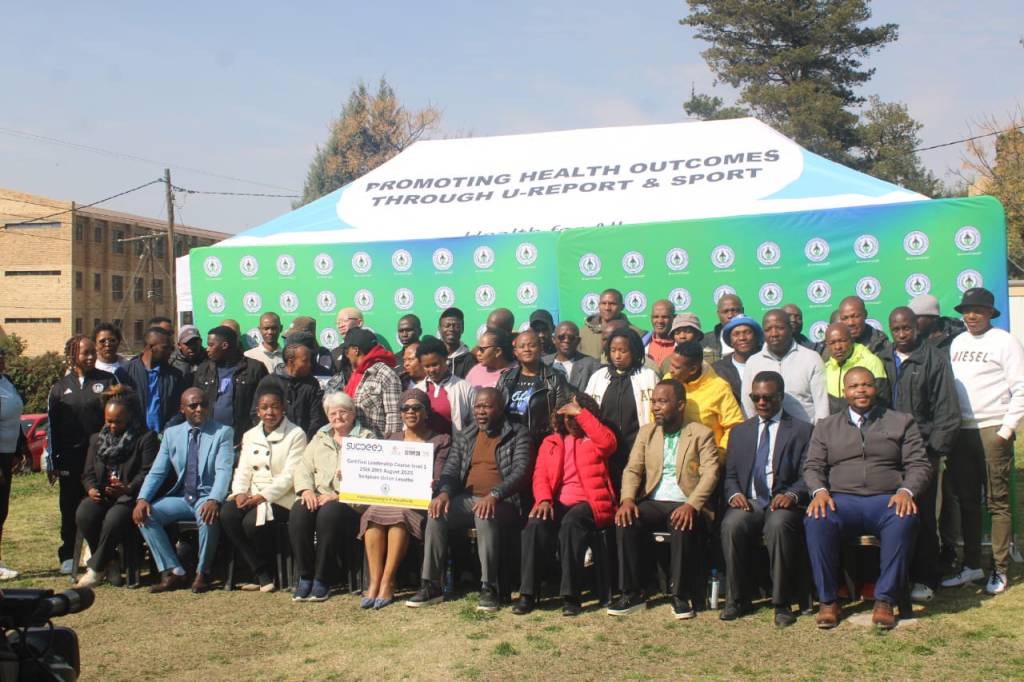
On the last week of August, the Lesotho Sport & Recreation Commission (LSRC) hosted Level 1 of the TAFISA Certified Leadership Course in Maseru, Lesotho.
The LSRC, in association with the Lesotho National Olympic Committee (LNOC), coordinated a superb 4-day training inaugurated with an Opening Ceremony on 25 August. The Opening Ceremony featured remarks from LSRC President, Mr. Malephane, and CEO, Mr. Segoete, alongside key sports authorities, including representatives from LNOC and the Ministry of Tourism, Sports, Arts, and Culture.
The LSRC legacy plan of this training goes beyond the immediate participants, and is summarized in the following points:
- Enhanced leadership pipelines within sport organizations.
- Organizational growth and alignment with international best practice, as federations and community organizations embed Sport for All into their structures and activities.
- Replication and sustainability, with trained participants serving as multipliers who train others and extend the reach of the learnings.
- Easier attraction and mobilization of funds after the popularization of Sport for All activities.
The networks of the 40 participants were strengthened between National Sport Federations, community-based organizations, sport clubs and associations, and schools and academies, encouraging collaboration in promoting the Sport for All movement in Lesotho. It is worth noting that, for almost 80% of the participants, this was their first-time involvement in a leadership or Sport for All training program.








Impactful Sessions in Sport for All Initiatives
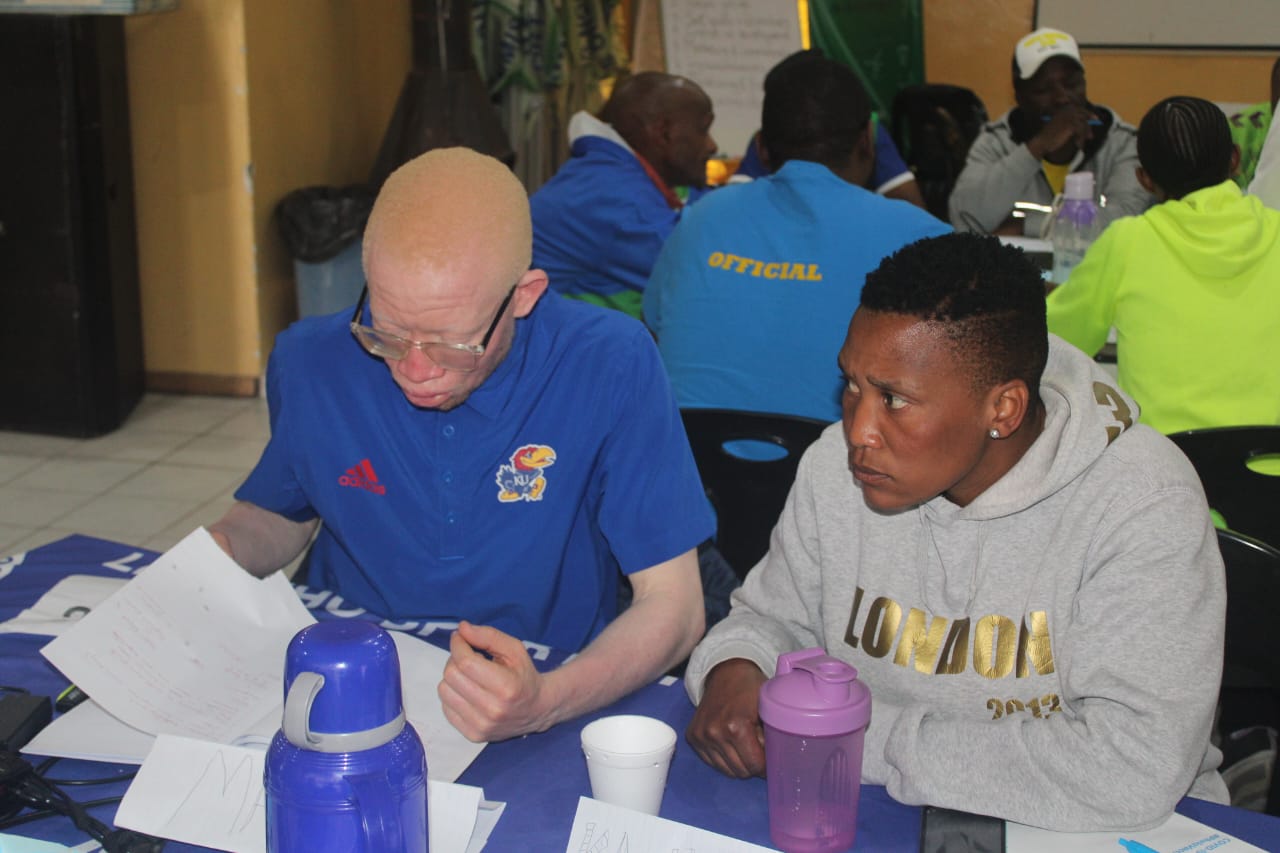
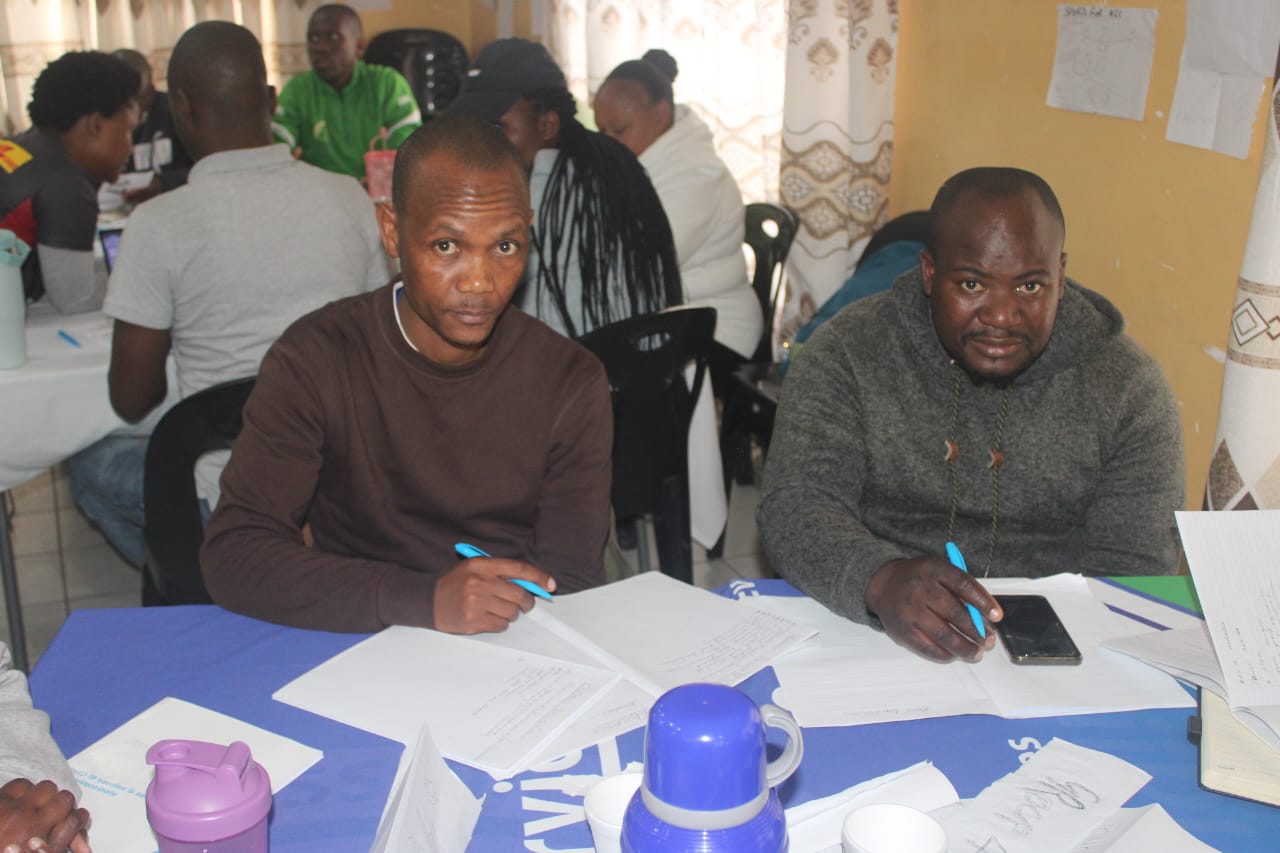
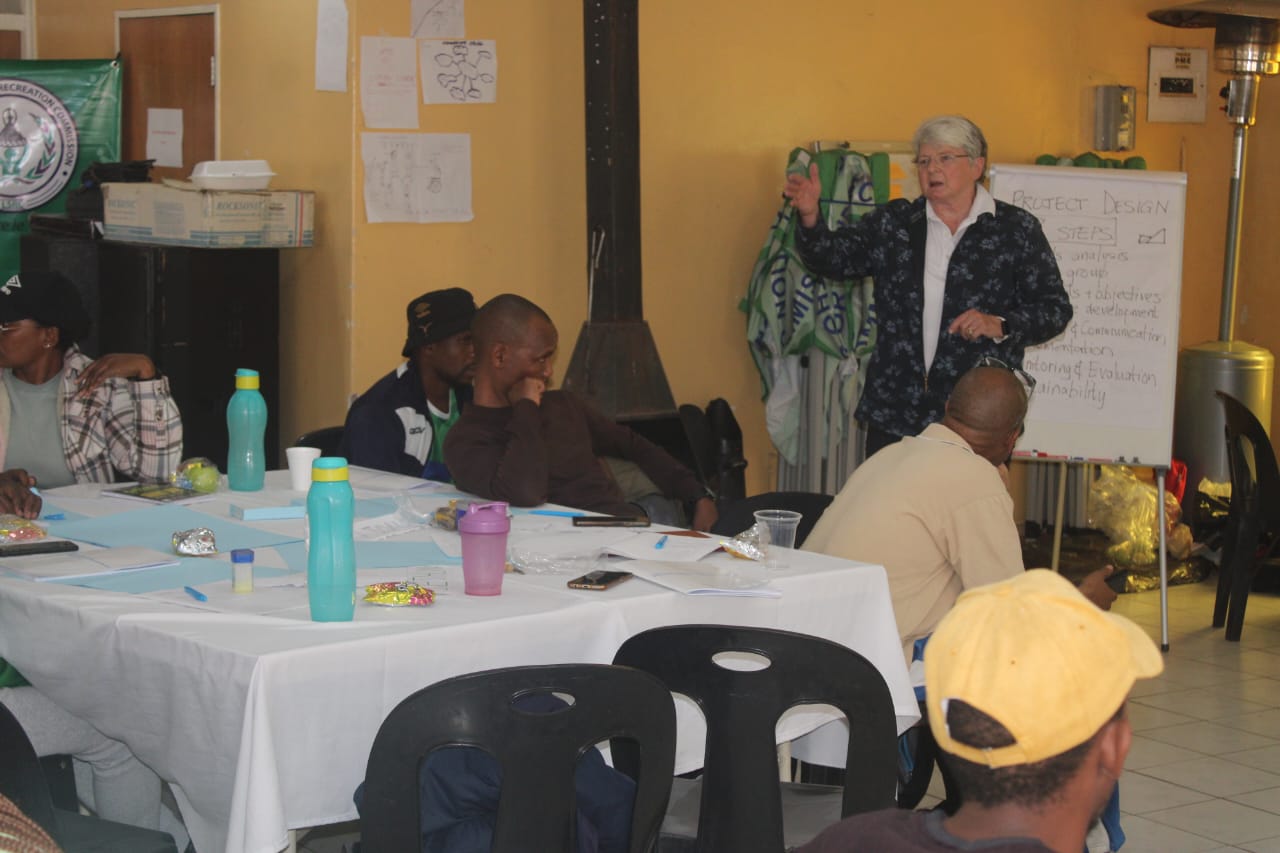
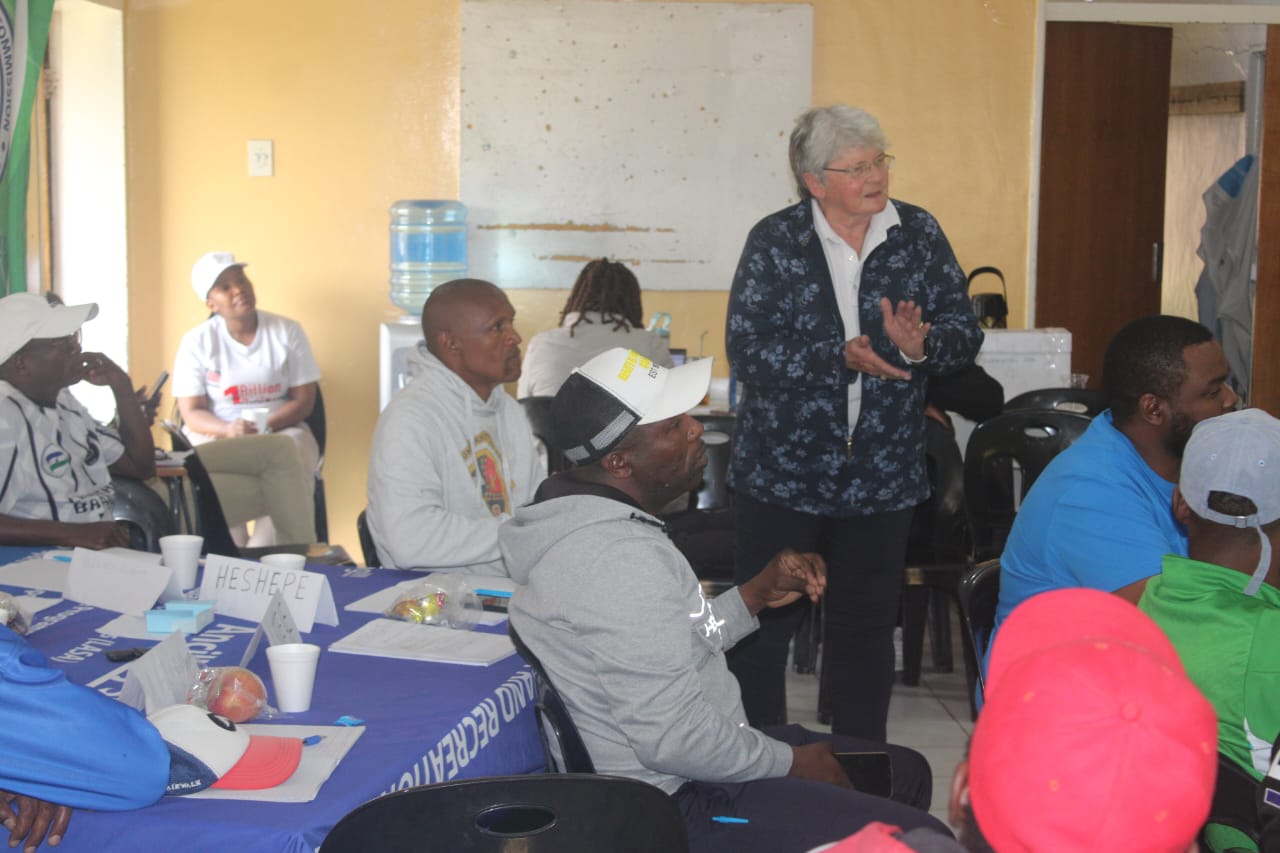
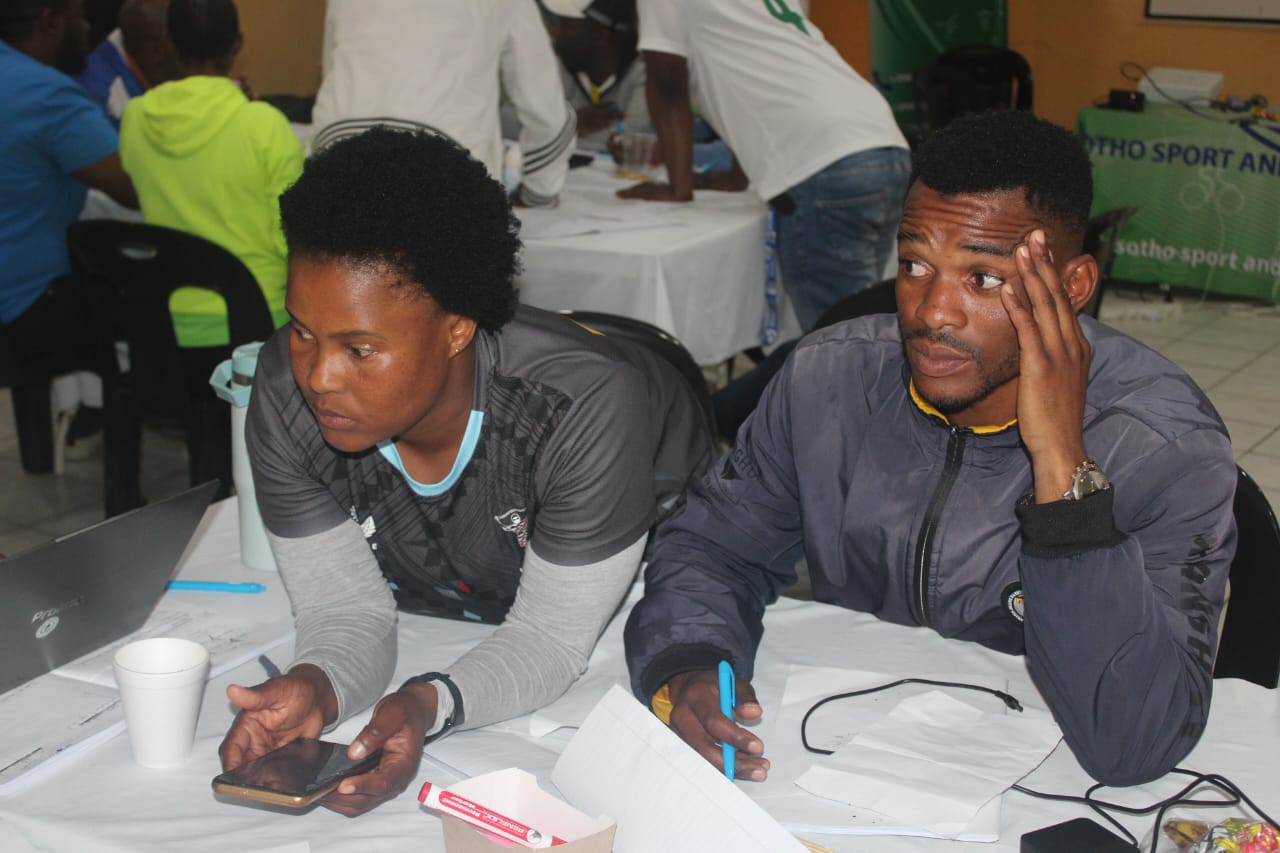
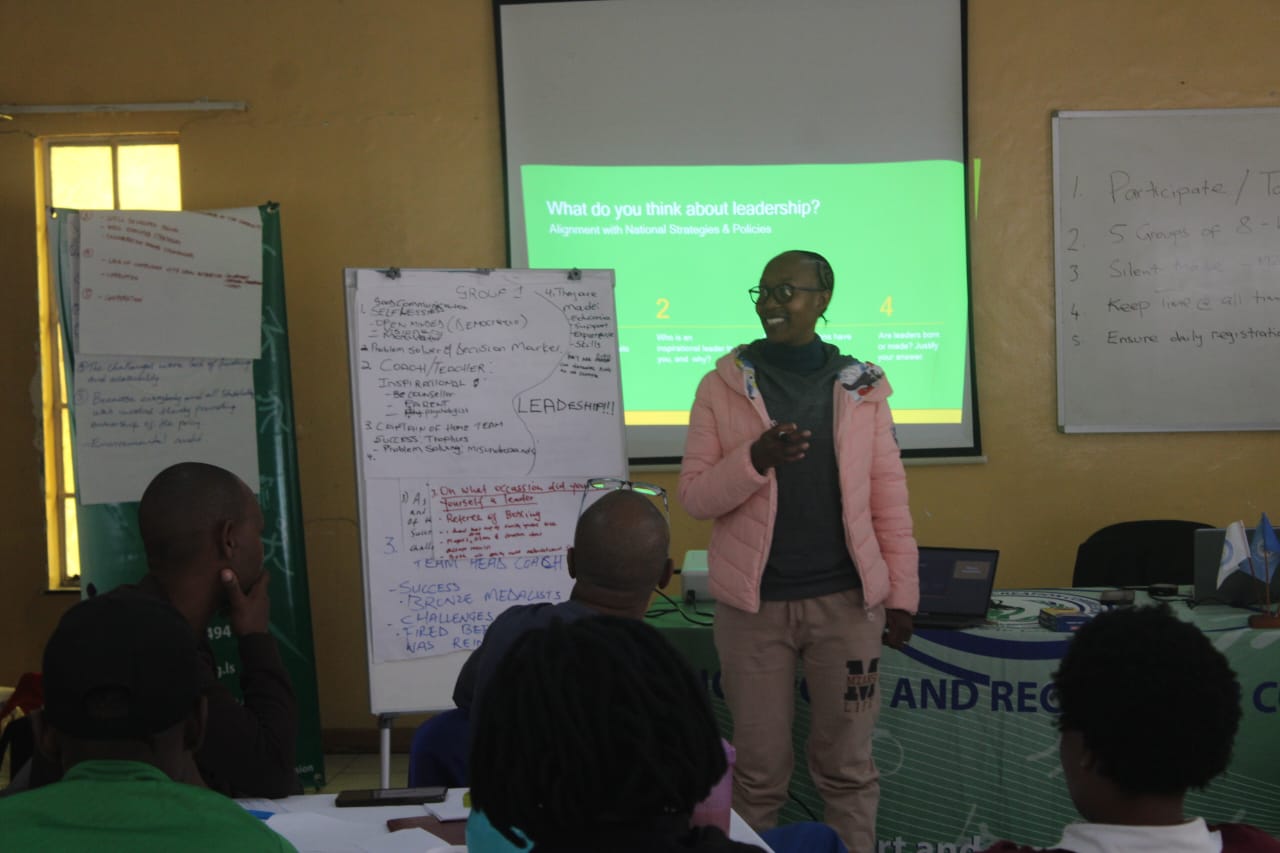
The sessions facilitated by TAFISA’s regional facilitators, Anneliese Goslin of South Africa and Zama Tsabedze from Eswatini, used a diverse instructional methodology related to the participants’ levels of experience like interactive discussions, individual assignments and reflection, group work and debate, or the sharing of best practices and case studies from Lesotho. CLC facilitators make a deliberate effort to involve all participants, rotating group presenters and discussion leaders and ensuring all group members are included in the discussions. Interaction was very positively assessed as the facilitators encouraged the mantra of “Do not tell me what to do, involve me in my own learning”.
The biggest benefits identified by participants were: enhancing their leadership skills in sports; gaining new strategies for promoting inclusivity in sports; and learning how to create effective community sports programs. Terms summarizing the CLC training varied from “amazing”, “awesome” or “inspiring” to “educative”, “transformational” and “enlightening”.
Success Stories
As a final consideration of the sparking impact of the CLC Level 1 on the participants, LSRC is honored to highlight the following stories:
- Palesa Pitso (female referee in a male-dominated sport, such as rugby) shared how Module 4 emphasized practical application of project design, enabling participants to translate knowledge from the course into tangible initiatives to promote healthy, happy, and inclusive communities. A very telling statistic is that 97% of participants now feel extremely confident or very confident to effectively manage Sport for All initiatives. Five teams were created and developed project drafts for the following communities in Lesotho:
- Ha Senekane (Berea) reported that the training gave her confidence to assert leadership roles within her federation, breaking down gender stereotypes.
- Mpalinyane Ranko (representing a disability sport organization) shared that the course equipped him to contribute to social cohesion since there are different gang factions that may be brought together through Sport for All initiatives.
- Mokhonatsi Heshepe (football coach) confessed about his newly found interest in Sport for All that has a potential to kick out competitive football from his mind.
- Mantai Fatle (teacher and Badminton coach) showed interest in working with different stakeholders from the community, workplace and residential place to promote Sport for All.
Next Steps: Towards CLC Level 2 and Project Implementation
CLC Level 2 will offer a specific platform to deliver four selected modules aligned with the 13 themes of the TAFISA Mission 2030. Participants are now in the phase of designing community-based Sport for All projects for their local contexts that will be presented during CLC Level 2 in November 2025, with implementation planned for early 2026. They are expected to apply the knowledge and skills gained by implementing the sport for all initiatives within their federations, schools, and community organizations, and share their learnings with peers to act as multipliers to increase the impact of the training.
We are excited to get to know more about the powerful success stories that emerged during the CLC Level 1 in Lesotho and discover the remarkable initiatives that will come to life in the next months. The future of Sport for All leaders in Lesotho continues to flourish!
The CLC is delivered through TAFISA’s SUCCEED Framework in partnership with the International Olympic Committee via the Olympism365 strategy.
 succeedforall.com